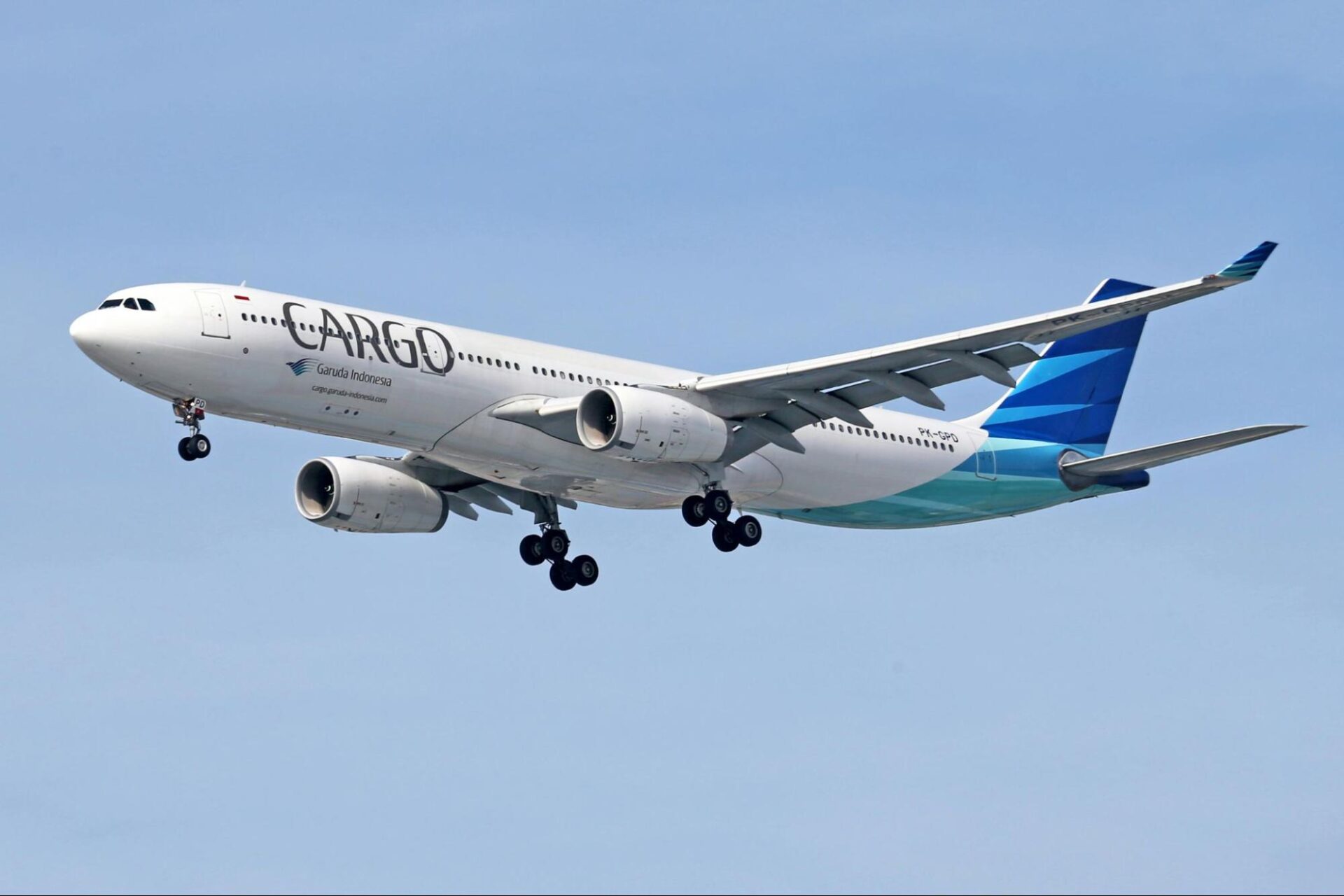
Air freight plays a pivotal role in global trade, accounting for about 35% of world trade by value, over US $6 trillion annually, despite representing less than 1% by volume (IATA). In an economy where every hour counts, air freight logistics ensures speed, precision, and reliability for the world’s most time-sensitive shipments. From life-saving pharmaceuticals to high-value electronics, air transport connects supply chains that demand zero compromise on delivery times or visibility.
As global demand for air cargo continues to climb, up 11.3% year-over-year in 2024 (Airport Technology), airlines and freight forwarders are under growing pressure to digitize operations, optimize capacity, and reduce environmental impact.
Why Businesses Choose Air Freight Services
Air freight remains the fastest and most reliable mode of transport for urgent deliveries and high-value shipments. Companies across industries—from healthcare to technology—turn to air freight for several key reasons:
- Speed and reliability: Air freight offers the shortest transit times across global trade lanes, ideal for time-sensitive shipments like medical supplies, perishables, or just-in-time components.
- Global reach: Airlines and freight forwarders provide broad international coverage, enabling businesses to reach their final destination with minimal disruption.
- Reduced inventory costs: Faster delivery cycles mean companies can maintain leaner inventory levels, improving cash flow and operational agility.
- Secure handling: Airports and air carriers often offer enhanced security controls, reducing theft and damage risks for high-value cargo.
With a global market size valued at USD 319 billion in 2024 and projected to reach nearly USD 493 billion by 2033 (IMARC Group), air freight remains one of the most dynamic and critical components of the modern supply chain.
Challenges in Air Freight Logistics
Despite its advantages, managing air freight and logistics requires navigating a range of operational and regulatory challenges:
- Higher shipping costs: Compared to ocean freight or ground transportation, air freight carries a premium cost due to limited space and fuel-intensive operations.
- Capacity constraints: Aircraft weight and size restrictions can limit how much cargo can move at once, leading to delays during peak seasons.
- Customs and compliance: International air shipments require accurate documentation and coordination with customs brokerage partners to prevent clearance delays.
- Environmental concerns: With rising pressure to meet sustainability goals, the carbon footprint of air transportation is increasingly under scrutiny.
Addressing these challenges calls for smarter, technology-driven logistics, transforming how cargo handling is tracked, managed, and delivered.
Technology-Driven Air Freight Solutions
Emerging technologies are revolutionizing how air freight supply chains operate. Today’s most advanced logistics systems combine IoT, AI, and automation to ensure shipments move faster, safer, and with full transparency.
- Real-time tracking and visibility: Live location and condition monitoring allow logistics teams to see every shipment in transit, improving coordination between shippers, carriers, and receivers.
- Predictive analytics: AI-driven insights help forecast disruptions, from weather delays to congestion, so teams can reroute or reschedule proactively.
- Smart packaging and temperature monitoring: Connected packaging ensures perishables and temperature-sensitive goods remain within required ranges throughout the journey.
- Automation and process orchestration: Automated alerts, dynamic scheduling, and workflow tools reduce manual errors and speed up turnaround times across air freight hubs.
Trackonomy’s Role in Air Freight Innovation

Trackonomy is redefining how air freight logistics operates, enabling real-time visibility, proactive alerts, and frontline empowerment through Physical AI.
By connecting the physical and digital worlds, Trackonomy’s technology gives first-line workers the ability to act faster, intervene earlier, and prevent issues before they escalate, turning every asset and process into a source of actionable intelligence within the air freight industry.
- End-to-end visibility: Our solutions deliver continuous tracking across the air freight supply chain, from aircraft loading to customs clearance and final delivery, helping airlines and freight forwarders achieve true transparency.
- Scalable solutions: From individual air charters to global container networks, Trackonomy’s technology supports flexible deployment across diverse cargo operations.
- Proven at scale: Trackonomy powers Delta Cargo’s Pulse platform and ULD Management solution, helping Delta streamline ground operations and asset visibility across 300+ airports worldwide. These solutions enable real-time tracking of containers and pallets, driving measurable gains in efficiency and customer satisfaction.
- Recognized innovation: Trackonomy’s technology also received a 2024 CIO 100 Award for enabling UPS’s digital air cargo transformation, showcasing the platform’s impact on one of the world’s largest logistics networks (Learn more).
- Risk mitigation through intelligence: Proactive alerts and predictive analytics detect tampering, temperature excursions, or routing deviations before they escalate, helping prevent costly disruptions.
By combining Physical AI, dynamic workflow orchestration, and autonomous data analysis, Trackonomy helps freight forwarders, airlines, and logistics providers operate with precision and confidence, at a global scale.
The Future of Air Freight Logistics
As international trade continues to expand, the future of air freight logistics depends on digitization and real-time intelligence. The winners in this new era will be those who can combine speed, transparency, and sustainability, powered by automation and actionable data.
Trackonomy’s integrated technology makes this possible, helping organizations unlock new levels of reliability and efficiency in their air freight operations.
Contact us to learn more.