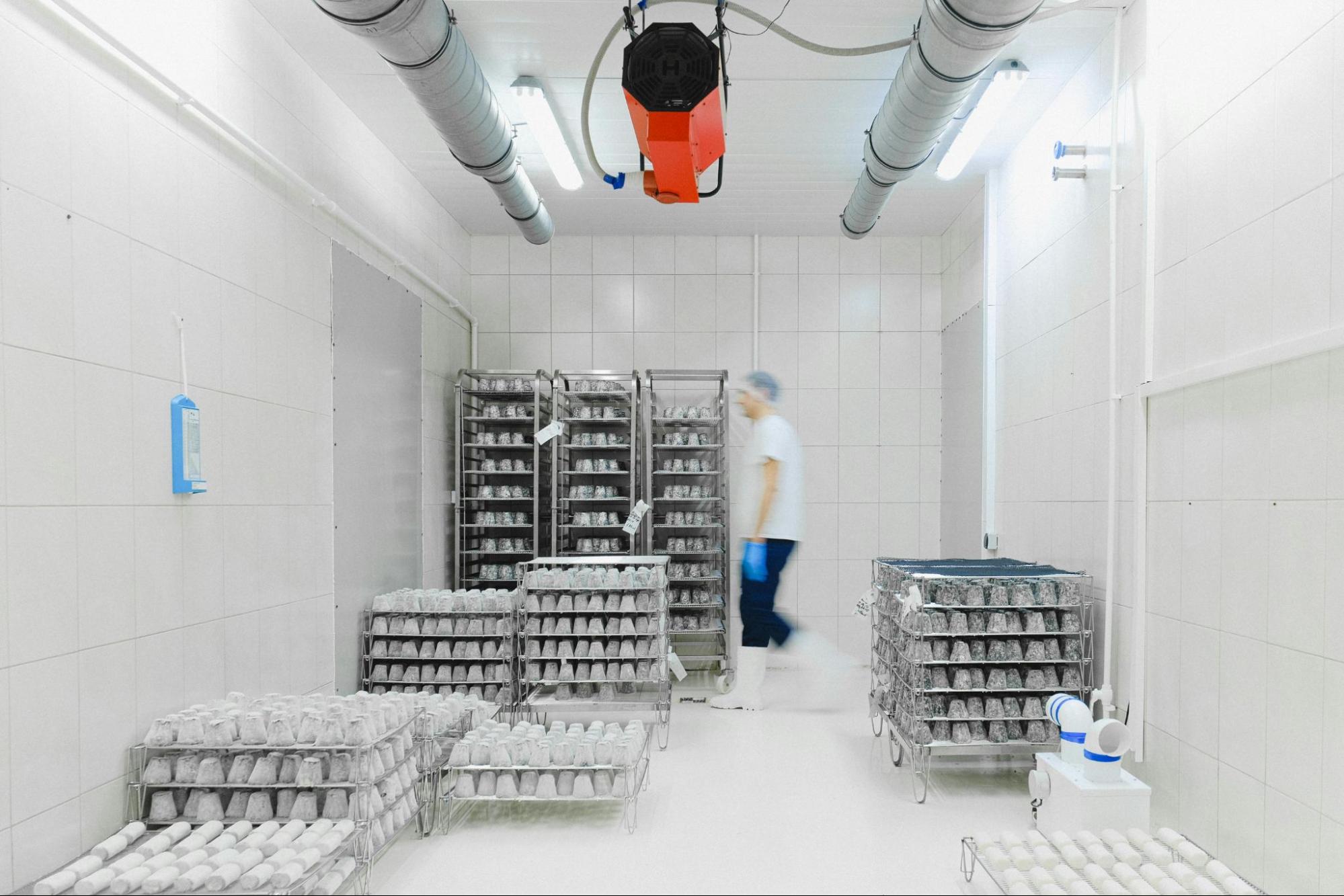
In the world of logistics, a fraction of a degree can mean the difference between life-saving medicine and a shipment that’s no longer usable. For industries that rely on temperature-controlled supply chains, from pharmaceuticals to fresh produce, precision isn’t optional; it’s critical.
Cold chain monitoring makes that precision possible. By combining sensors, real-time tracking, and intelligent alerts, it gives businesses the visibility to protect product integrity, meet regulatory standards, and ensure every shipment arrives exactly as it should.
Why Cold Chain Monitoring Matters
Cold chain temperature monitoring is far more than a precautionary measure; it’s the backbone of safety, compliance, and profitability in modern logistics. When shipments involve vaccines, biologics, or high-value perishables, even a brief temperature fluctuation can lead to spoilage, lost revenue, and regulatory penalties.
According to Deloitte’s “Live Enterprise – Cold Chain Logistics” report, temperature excursions in cold chain operations are “typically estimated at over 20% of total revenue,” highlighting how costly poor visibility can be.
Effective cold chain monitoring helps you:
- Prevent spoilage and product loss in temperature-sensitive goods.
- Ensure compliance with industry regulations and standards, for example, in the pharmaceutical industry, biologics often require strict temperature ranges under guidelines such as those from the FDA, EMA, and WHO Good Distribution Practices (GDP)
- Protect consumer safety and brand reputation by maintaining full traceability across the entire supply chain.
The global market reflects this growing need: Grand View Research estimates that the cold chain monitoring market was worth USD 35.03 billion in 2024 and will reach USD 119.74 billion by 2030, driven by rising demand for visibility and automation in logistics.
Key Technologies in Cold Chain Management
Modern cold chain monitoring systems leverage IoT connectivity, automation, and analytics to move from reactive temperature checks to proactive control:
- Real-time sensors to track temperature, humidity, and location: IoT devices continuously track environmental conditions throughout transit and storage. A study published by SpringerOpen found that IoT-enabled systems improved temperature and humidity control accuracy to 94% and reduced transit time by 8.3%, demonstrating how precision directly improves efficiency.
- Automated alerts for temperature deviations from safe ranges: When conditions deviate from safe thresholds, automated alerts allow teams to intervene before product integrity is compromised. Cloud-based monitoring platforms enable early detection and rapid response, helping companies prevent spoilage and protect shipments before issues escalate.
- Data logging for auditing and regulatory reporting: Regulatory agencies require full visibility into temperature data from origin to delivery. Modern systems automatically record and store audit-ready data, supporting quality assurance and continuous improvement initiatives.
Benefits of Implementing Cold Chain Monitoring
Implementing a connected cold chain monitoring system creates a measurable impact across operations.
- Reduces risk of shipment damage or recalls: Continuous monitoring ensures deviations are detected and corrected in real time, preventing spoilage and minimizing waste.
- Optimizes supply chain efficiency with actionable insights: Real-time analytics reveal inefficiencies in routes, storage, and handling, improving delivery performance and controlling costs.
- Enhances customer confidence in product quality: Customers and regulators gain trust knowing your supply chain is verifiable, compliant, and accountable.
This growth mirrors a broader trend across the logistics industry. According to GMI Insights, the global cold chain logistics market reached approximately USD 341 billion in 2024 and is projected to grow at a 15.3% CAGR through 2034, driven by rising demand for temperature-controlled transportation across the pharmaceutical and food industries
Best Practices for Maintaining Cold Chain Compliance
To achieve compliance and maintain performance across the entire supply chain, organizations should pair technology with process discipline.
- Regular calibration and maintenance of monitoring devices: Even advanced temperature sensors drift over time, so scheduled recalibration ensures accuracy.
- Train staff on proper handling of temperature-sensitive products: Even the best technology fails if users don’t know how to react to alarms or workflow issues.
- Establish standard operating procedures (SOPs) for deviations: A temperature excursion needs a plan: document, respond, quarantine, review. Clear SOPs reduce risk and simplify audits.
By combining these processes with technology, operations become more robust and audit-ready.
How Trackonomy Supports Cold Chain Excellence
Trackonomy brings together the hardware, software, and intelligence needed for complete cold chain visibility, from production to delivery.
- Integrated cold chain solutions for shipment monitoring: Trackonomy’s platform supports real-time temperature, location, and environmental tracking across transit, storage, and delivery.
- Analytics and reporting for continuous improvement: Beyond monitoring, Trackonomy converts raw data into insights, identifying weak links in the cold chain, enabling smarter decisions across your supply chain.
- Connectivity with reliable 3PL partners specializing in cold chain logistics: For companies operating across the “entire supply chain,” Trackonomy helps link technology with supply chain partners that specialize in cold storage and transport.
With Trackonomy, cold chain monitoring becomes more than a compliance exercise; it’s a driver of efficiency, reliability, and customer trust.
The Future of Cold Chain Logistics
As global supply chains become more complex and regulations tighten, precision and traceability will define the leaders in logistics. Companies that invest in connected cold chain monitoring and real-time visibility now will be best positioned to meet growing demands for safety, sustainability, and transparency.
Ready to make your cold chain smarter, safer, and more compliant?
Learn more about Trackonomy’s Cold Chain Monitoring Solutions or request a demo today.