
Cargo theft is one of the most persistent and costly challenges in logistics today. From electronics and pharmaceuticals to food and beverage, energy drinks, and household goods, thieves target high-value shipments wherever supply chains are most vulnerable, often during transit or warehouse handoffs. Thieves often steal items they can sell quickly, and these stolen goods may be smuggled across countries. Cargo theft is a crime that affects supply chains in every country, with international criminal networks operating across multiple countries. As theft tactics evolve, traditional safeguards are no longer enough. Modern logistics teams need data-driven visibility and proactive protection to stay ahead of potential theft and ensure every load reaches its destination safely.
Why Cargo Theft Remains a Major Supply Chain Risk
Cargo theft costs the U.S. supply chain $15 – $35 billion annually in reported losses. In 2024 alone, theft incidents rose by roughly 27%, with the average loss per case exceeding $200,000. These numbers represent not only lost inventory but also business interruptions, missed SLAs, and eroded customer trust.
Criminals are becoming more sophisticated, employing strategic cargo theft that blends cyber deception, fake carrier identities, and double-brokering scams to intercept loads undetected. Increasingly, thieves impersonate brokers to trick shippers and carriers, making fraudulent brokers a key part of these schemes. Fraud, including fictitious pick-ups, is used to deceive legitimate trucking companies into releasing shipments to criminals. This is one of many current cargo theft trends that demonstrate how theft has shifted from physical break-ins to digital infiltration points within the logistics network.
Vulnerabilities peak at handoffs, during last-mile delivery, carrier transitions, or when loads are parked at unsecured rest areas, parking lots, truck stops, and docks. Even a short lapse in oversight can lead to major losses, particularly for time-sensitive or high-value shipments. Thieves often steal freight from parking lots and truck stops, especially when loads are left unattended, resulting in straight thefts. Motor carriers are frequently targeted during these operations.
Common Weaknesses That Lead to Cargo Theft
- Poor visibility across the supply chain: When stakeholders rely on disconnected systems or manual status updates, transparency gaps appear. Without real-time tracking and alerting, route deviations or suspicious stops often go unnoticed until it’s too late. Cybercriminals can aid in committing cargo theft by exploiting these gaps to commit fictitious pick-ups, using stolen credentials or fraudulent requests to access shipments.
- Manual check-in / check-out procedures: Paper logs and handwritten manifests are slow and error-prone. They also leave room for tampering or falsification, allowing cargo thieves to exploit human error. These weaknesses are often targeted by criminals committing cargo theft through fraudulent documentation and cyber deception, enabling them to bypass security and steal cargo.
- Unsecured loading docks and unattended shipments: Facilities and parking areas without controlled access or surveillance remain primary targets. Thieves often monitor locations to identify patterns of vulnerability, such as routine driver breaks or unsupervised trailers.
- Lack of real-time alerts or breach detection: Without automated triggers for door openings, vibration, or impact events, thefts can go undetected for hours, dramatically reducing recovery odds and exposing companies to higher insurance claims.
Proactive Technology-Based Solutions
The most effective cargo theft prevention strategies combine physical security measures with connected technology that delivers visibility, control, and early warnings. Securing supply chain operations is critical to preventing cargo theft, as operational processes are often targeted by criminals seeking vulnerabilities.
- GPS & RFID-enabled asset tracking: By equipping pallets, containers, or trailers with smart trackers, logistics teams can continuously monitor location, movement, and dwell time, ensuring accountability across every mile.
- Geofencing alerts for unauthorized route deviations: Establish digital boundaries along approved routes. If a truck deviates, an alert is triggered immediately — allowing dispatchers to verify if it’s an operational change or a potential hijacking attempt.
- Smart locks and tamper-proof seals: Modern locks can transmit data when opened, moved, or damaged. Combined with cloud dashboards, these tools add a new layer of real-time security and traceability during transport or storage.
- Remote access controls & automatic incident alerts: Integrated systems detect shocks, forced entry, or environmental changes, and instantly notify teams through automated alerts — enabling proactive intervention rather than reactive loss reporting.
The ROI of Preventing Cargo Theft
While theft prevention tools require upfront investment, the returns are measurable across cost, compliance, and reputation.
- Reduced financial losses and insurance claims: Each prevented theft translates to direct savings and lower long-term insurance exposure. Some insurers even offer discounts for verified digital tracking systems.
- Increased trust & transparency with clients: Real-time shipment data builds credibility with shippers and partners, reinforcing reliability, especially for sensitive or regulated cargo.
- Minimized distribution disruptions: Theft doesn’t just cause material loss; it delays orders, impacts production lines, and strains customer relationships. Proactive detection avoids costly downtime.
- Stronger compliance with security standards: Industry frameworks like C-TPAT and TAPA emphasize visibility and controlled access. Technology-driven monitoring simplifies compliance documentation and audit readiness.
How Trackonomy Helps Prevent Cargo Theft
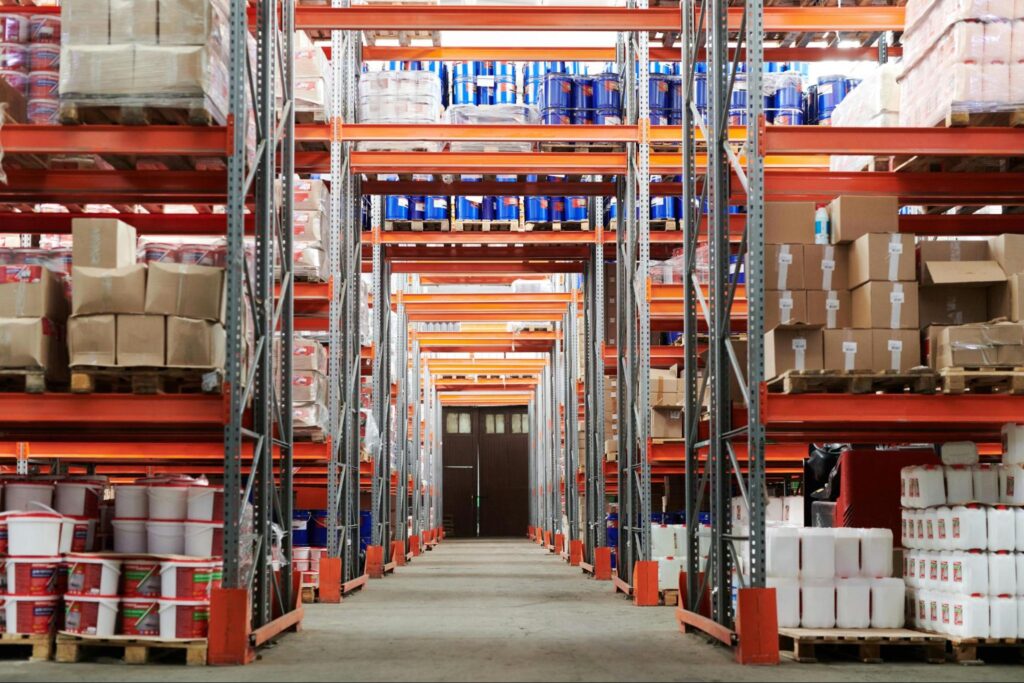
Trackonomy’s vertically integrated platform brings together sensors, AI, and real-time analytics to secure shipments from the warehouse to last-mile delivery.
- Unified visibility across warehouse, transit & delivery: Our networked devices create a continuous digital chain of custody, eliminating blind spots between carriers and facilities.
- Smart sensor data for unauthorized access detection: Trackonomy’s intelligent sensor agents detect tampering, vibration, or door openings — converting these physical signals into actionable insights on your dashboard.
- Seamless integration with your TMS / WMS: Trackonomy integrates directly with your transportation or warehouse systems, feeding alerts and location data into your existing workflows with minimal setup.
- Scalable tools for fleet-wide security: Whether monitoring a few high-value shipments or global logistics fleets, Trackonomy’s solutions scale effortlessly — delivering consistent protection across your supply chain.
Protect What Moves Your Business
Cargo theft prevention starts with visibility. Partner with Trackonomy to build a safer, smarter, and more transparent logistics network. Our end-to-end technology helps companies of all sizes prevent theft, recover assets faster, and reduce operational risk. Learn more about our Cargo Theft Prevention Solutions.